

ケビンのワインコード ラベルの先にあるもの Vol.2
文/ジョン・ケビン ウィラハン
「辛口ワイン」は思ったほど単純ではない
若い頃、セラーマスターとして、ワイナリーのテイスティングルームの樽が置いてあるエリアで、作業をしていたことがあります。樽のそばで仕事をしていると、ワイン愛好家になったばかりのお客様が自信たっぷりに「辛口の白ワインをください」と注文する声をよく耳にしたものです。
ところが実際には、その多くがゲヴュルツトラミネールを購入して帰っていきました。ゲヴュルツトラミネールは、実はそれなりの残糖を含むことが珍しくないワインです。この背景には広く共有された思い込みがありました。「本格的なワイン愛好家は辛口しか飲まない」そんな考え方です。
しかし、この価値観は知らず知らずのうちに多くの初心者を遠ざけてきたのではないでしょうか。まるで「正しい味覚」があり、それを身につけなければならないかのように感じさせてしまうからです。実際には、人それぞれ自分の味覚からスタートします。多くの人はまず親しみやすい甘みのある味わいを好み、そこから徐々に辛口や苦味、複雑な風味の魅力を理解していきます。味覚は時間とともに変化します。好みも変わります。そして何より、「何をおいしいと感じるか」は極めて個人的なものなのです。
「シンプルなワイン」が勝つとき
そのことを改めて実感した出来事があります。私が主催した「東京ワインソサエティ」のブラインドテイスティング会でのことです。参加者は日本語と英語が飛び交う国際色豊かなワイン愛好家たちでした。結果は誰も予想していませんでした。私自身も含めてです。なんと、ポルトガルの手頃な価格のロゼワイン「マテウス・ロゼ」が、カン・ラフォルス・デルス・カウスのグラン・カウス・ロサードやドメーヌ・オットのロゼ、さらにはニュージーランドのカルト的人気生産者プロヴィデンスの希少なロゼを抑えてトップ評価を獲得したのです。
驚きが落ち着いた後で考えると、むしろ当然の結果でした。マテウスは幅広い消費者に好まれるよう設計されたワインです。参加者たちはブランドの格や希少性、価格を評価していたのではありません。ただ純粋に「飲んでいて一番おいしい」と感じたワインを選んでいただけだったのです。
その日、「分かっているつもりだった」のは私の方でした。むしろ私こそが少数派だったのです。
※東京ワインソサエティ
https://www.tokyowine.org/TWS.html
なぜ最近のワインは甘く感じるのか
最後にヴィニタリー(Vinitaly)を訪れたとき、ワインスタイルの変化を無視することはできませんでした。
通常、イタリアワインを一日中試飲すると疲れの原因になるのはタンニンや酸です。しかし、そのとき私を最も消耗させたのは甘みでした。特にエントリークラスのワインで顕著でした。これは消費者の嗜好の変化と、業界全体がより親しみやすいスタイルへ移行している流れを反映しています。
2019年以降、キャンティの規定はEU全体の表示基準と足並みを揃え、より多くの残糖を含んでいても「辛口(Dry)」と表示できるようになりました。
現在の基準では、
残糖4g/Lまでは無条件で「辛口」
残糖9g/Lまでは、総酸度が残糖量より2g/L以上低くなければ「辛口」
とされています。
つまり酸が十分高ければ、糖分が多くても甘く感じにくく、「辛口」と表示できるのです。この考え方は人間の味覚を反映した合理的なものですが、一方で消費者に混乱を与える原因にもなっています。
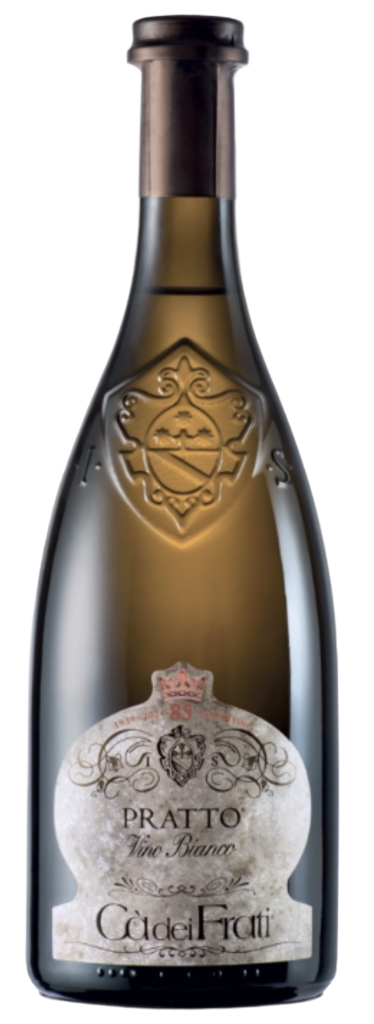
プラット 2024
残糖9.1 g/l
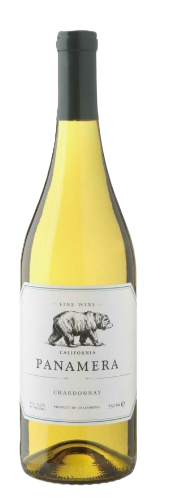
パナメラ シャルドネ
残糖分7.90 g/L
なぜなら、「甘口」という言葉には今でも単純なワイン、商業的なワイン、太りそうなワイン
といった古いイメージがつきまとっているからです。そのため、多くの小売店やレストランは糖分について積極的に説明しません。また、残糖量(RS)がラベルに表示されることもほとんどありません。
結果として、「キリッとした極辛口だろう」と思って注文したワインが、法律上は辛口でありながら予想以上に柔らかく甘く感じることもあるのです。
甘みは悪いものなのか?
もちろん、そんなことはありません。
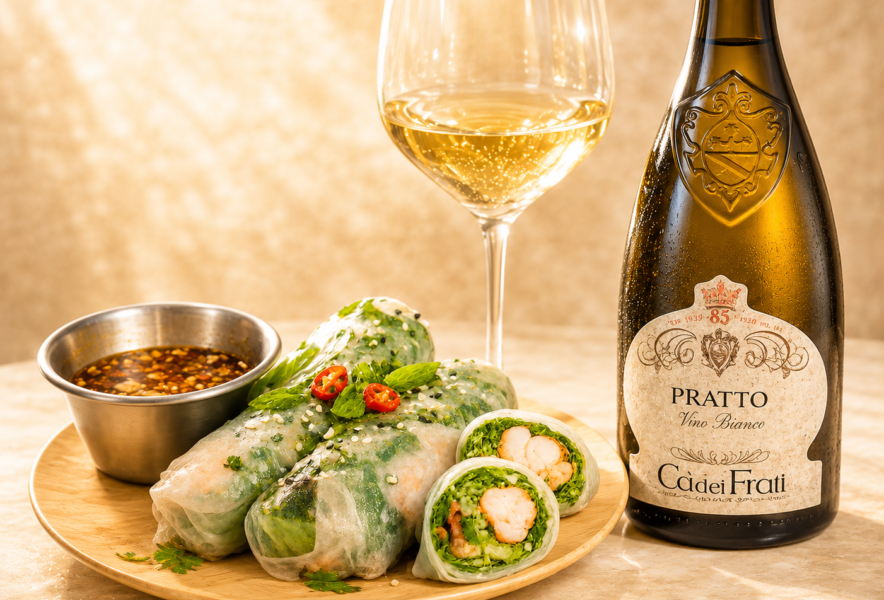
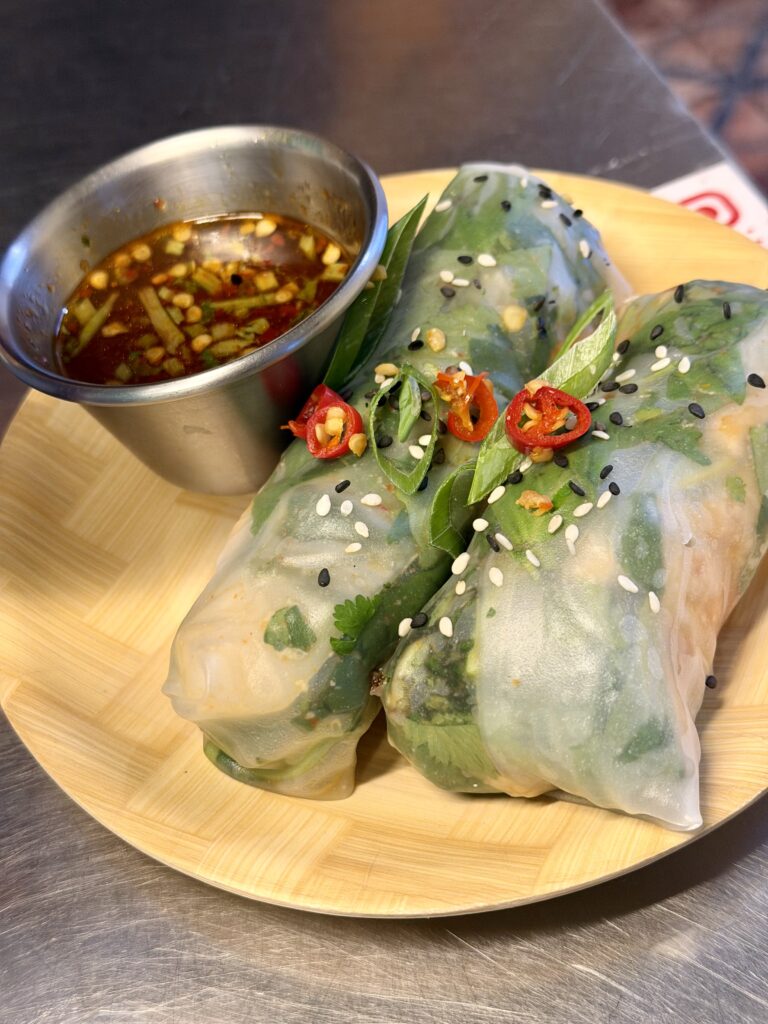
私自身、日本の家庭料理には適度な残糖を持つワインがよく合うと感じています。醤油やみりんを使った甘辛い味付けの料理は、少し丸みと厚みのあるワインと素晴らしい相性を見せます。スイートチリソースを添えた生春巻きなど、甘みと穏やかなスパイスの風味が組み合わさった多くのアジア料理についても同様です。こうした料理には、ほのかに甘み(残糖)が感じられるワインを合わせると、料理の風味を美しく引き立てつつ、スパイスの繊細な辛味とのバランスをうまく取ることができます。
重要なのはバランスです。たとえばアイスワインは非常に甘いワインですが、高い酸によって驚くほど爽やかさを保っています。バランスが取れていれば、甘みは欠点ではなく魅力になるのです。
本当に辛口のワインが減っている理由
残糖は単にワインを甘くするだけではありません。
味わいに厚みと丸みを与える
果実味をより豊かに感じさせる
フィニッシュを滑らかにする
若いワインの粗さを和らげる
幅広い消費者に受け入れられやすくする
こうした利点があるため、日常的なワインの残糖量は少しずつ増加しています。
現在では、法的には辛口に分類されながらも、6〜9g/L程度の残糖を持つワインは決して珍しくありません。皮肉なことに、30年以上ワイン業界に身を置いてきた今、レストランで私自身が「本当に辛口のワインをお願いします」と頼むことが増えています。
自分が本当に飲みたいワインを手に入れるには
規制も変わり、ワインのスタイルも変化しています。そんな時代に、自分に合った一本を見つける最も確実な方法はシンプルです。ソムリエの方に、自分の好みをそのまま伝えることです。
専門用語を使おうと気負う必要はありません。キレのある極辛口が好きでも、少し甘みを感じるフルーティーなスタイルが好きでも、その好みはどちらも正しいのです。そして、自分の好みを具体的に伝えれば伝えるほど、より満足できるワインに出会える可能性は高くなります。
結局のところ、ワインは試験ではありません。楽しむためのものなのです。
A Journey Through More Than Three Decades of Dry Wine
Kevin’s Wine Code Beyond the label Vol.02
text by John Kevin Whelehan
Why “Dry” Wine Isn’t as Simple as It Sounds
Standing behind the barrels in the tasting room as a young cellarmaster, I often overheard new wine drinkers confidently ask for a “dry white.” Yet more often than not, they left with a Gewürztraminer, a wine that contained a noticeable amount of residual sugar. The assumption seemed universal: serious wine drinkers only drank dry wine.
That mindset has unintentionally discouraged countless beginners. It suggests there’s a “correct” taste you need to grow into. In reality, we all start with our own palate. Many people begin by enjoying sweeter, more approachable flavors before developing an appreciation for drier, more bitter, or more complex ones. Taste evolves over time, preferences change, and what you enjoy is deeply personal.
When “Simple” Wine Wins
One of my biggest reminders of this came during a blind tasting I hosted for the Tokyo Wine Society, a bilingual tasting group. To everyone’s surprise, including my own, an inexpensive Mateus Rosé from Portugal outperformed far more prestigious bottles, including Can Ràfols dels Caus Gran Caus Rosado, Domaines Ott rosé, and even a rare bottle from the cult New Zealand producer Providence. After the shock wore off, it made sense: Mateus is designed to appeal to a broad audience. Most tasters weren’t judging prestige, rarity, or price—they were simply choosing the wine they enjoyed drinking most. I wasn’t the enlightened taster, I was the odd one out.
The Sweet Shift: Why Wines Taste Different Today
Fast forward to my last visit to Vinitaly, and the change in wine styles was impossible to ignore. Normally, after a long day of tasting Italian wines, it’s the tannins and acidity that wear me down. This time, it was sweetness, especially in entry-level wines.
Part of this reflects changing consumer preferences and a broader industry move toward more approachable styles. Since 2019, Chianti regulations have aligned with broader EU labeling standards, allowing wines to contain more residual sugar while still being labeled “dry.”
Under current rules, wines may contain:
Up to 4 g/L of residual sugar automatically; or
Up to 9 g/L if the total acidity is no more than 2 g/L lower than the residual sugar level.
In other words, higher acidity can balance higher sugar, allowing a wine to remain legally “dry” without tasting overtly sweet.
While this approach reflects how people actually perceive sweetness, it can also create confusion for consumers. Most retailers and restaurants avoid discussing sugar levels because “sweet” still carries old stereotypes: too simple, too commercial, or too fattening. And because residual sugar (RS) rarely appears on wine labels, consumers are often left guessing. As a result, you may order a wine expecting it to be bone-dry and receive something that tastes noticeably softer and sweeter than anticipated, despite being legally classified as “dry.”
So, Is Sweetness Bad?
Not at all. I actually enjoy a touch of residual sugar, especially with Japanese home-style cooking. Dishes seasoned with soy sauce, mirin, and other sweet-savory ingredients often pair beautifully with wines that have a little more softness and weight. The same is true for many Asian cuisines that combine sweetness with a gentle touch of spice, such as fresh spring rolls served with sweet chili sauce. In these pairings, a wine with a hint of residual sugar can beautifully complement the flavors while balancing the subtle heat.
The key is balance. Great wines such as Eiswein can be intensely sweet yet feel remarkably fresh because their acidity is so high. When the balance is right, sweetness becomes a feature, not a flaw.
Why You’re Seeing Fewer Truly Dry Wines
Residual sugar does more than make wine taste sweet. It can also:
Add weight and roundness
Enhance fruit intensity
Create a smoother, longer finish
Soften harsh edges in entry-level wines
Make wines more approachable for a wider audience
Because of these benefits, residual sugar levels in everyday wines have gradually crept upward. Many wines now sit around 6–9 g/L, even while remaining legally classified as “dry.” Ironically, after more than three decades in the wine industry, I now find myself asking for a “truly” dry wine when dining out.
How to Get the Wine You Actually Want
With changing regulations and evolving wine styles, there’s one reliable way to get a bottle you’ll enjoy: tell the sommelier what you like. Don’t worry about using the “right” terminology. Whether you prefer crisp, bone-dry wines or fruit-forward styles with a touch of sweetness, your preferences are valid. The more specific you are about what you enjoy, the better the recommendation is likely to be. After all, wine is about pleasure, not passing a test.