
シャトー・ディケム特別連載 第4回(全5回)
文/ジョン・ケビン ウィラハン
※「シャトー・ディケム特別連載(全5回)」は毎週水曜日に配信いたします。(編集部注)
第4回:デザートを忘れよう
シャトー・ディケムが現代の食卓で新たな居場所を見つけている理由
ソーテルヌと聞いて、多くのワイン愛好家が思い浮かべるものは、ほとんど決まっています。
フォアグラ、ブルーチーズ、フルーツタルト。あるいは、クリスマスプディング。
何世代にもわたり、甘口ワインは食事の最後に供されるものとして扱われ、まるで締めくくりの一杯のように位置づけられてきました。その伝統はあまりにも深く根付いているため、多くの人はシャトー・ディケムをそれ以外の料理と合わせることを考えたことすらありません。
ロレンツォ・パスクィーニ氏は、その常識を変える時が来たと考えています。
「私たちにとって最大の課題の一つは、人々にさまざまなスタイルでこのワインを味わってもらうことです」
もちろん、伝統的なペアリングが間違っていると言いたいわけではありません。しかし、それだけではディケムが持つ魅力のほんの一部しか味わえないのです。
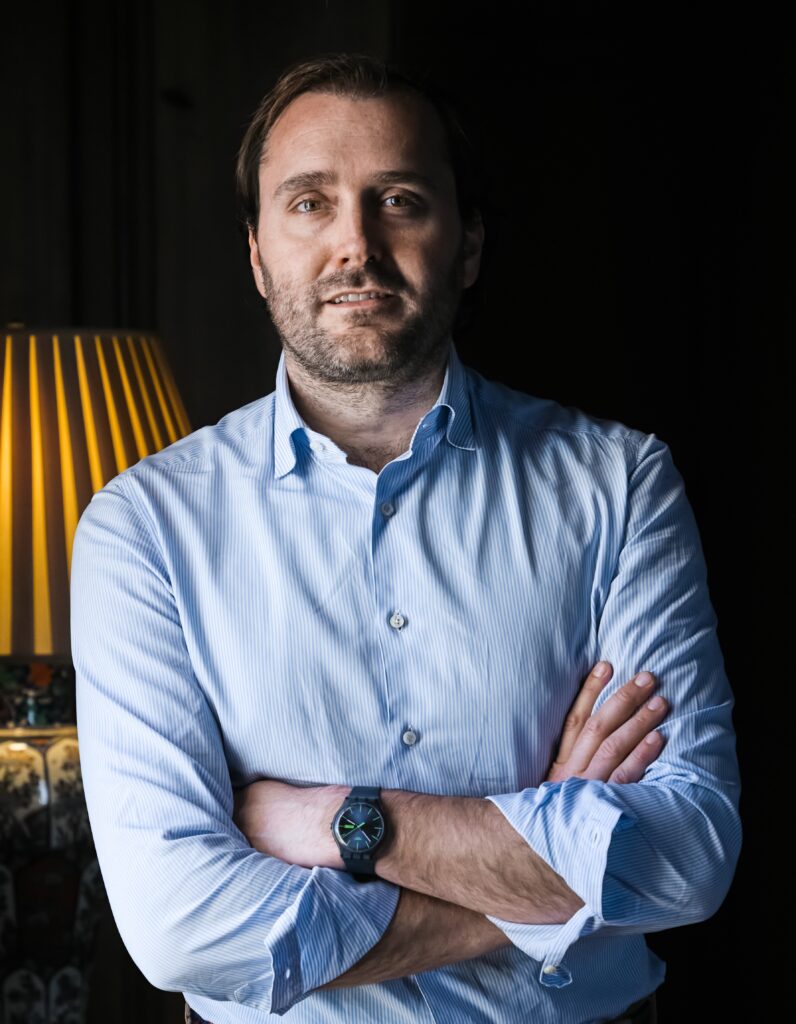
ロレンツォ・パスクィーニ氏(Mr.Lorenzo Pasquini)
©C.Goussard
常識を破る
パスクィーニ氏が描くシャトー・ディケムの未来を貫くテーマがあるとすれば、それは「親しみやすさ」です。価格ではありません。楽しみ方に対する考え方です。
ディケムは、ワインそのものを変えようとしているのではありません。人々に、その魅力を新たな視点で再発見してほしいと願っているのです。
「英語圏では、甘口ワインはデザートと合わせるものという文化がありました。しかし、フランスやイタリアでは、ディケムのようなワインは昔から塩味のある料理とともに楽しまれてきたのです」
この違いは非常に重要です。濃厚なデザートは、ワインの甘さと競い合い、その驚くほどのフレッシュさや複雑さを覆い隠してしまいます。
一方で、塩味のある料理はコントラストを生み出します。塩味は果実味を引き立て、旨味はワインのフレッシュさをさらに際立たせ、脂肪分は酸味をまろやかにしながら、その華やかな香りをゆっくりと開かせてくれます。
そこにあるのは「甘さ」ではなく、「調和」です。そのバランスを一度体験すると、多くの人のソーテルヌに対する印象は大きく変わると、パスクィーニ氏は語ります。
食事の始まりにこそ
さらに驚くべきことに、ディケムは食後まで待つ必要すらありません。
パスクィーニ自身は、若いヴィンテージをアペリティフとして楽しむことを好みます。リリースされたばかりのシャトー・ディケムは、生き生きとしたエネルギーに満ち、鮮やかな果実味と爽快感を備えています。
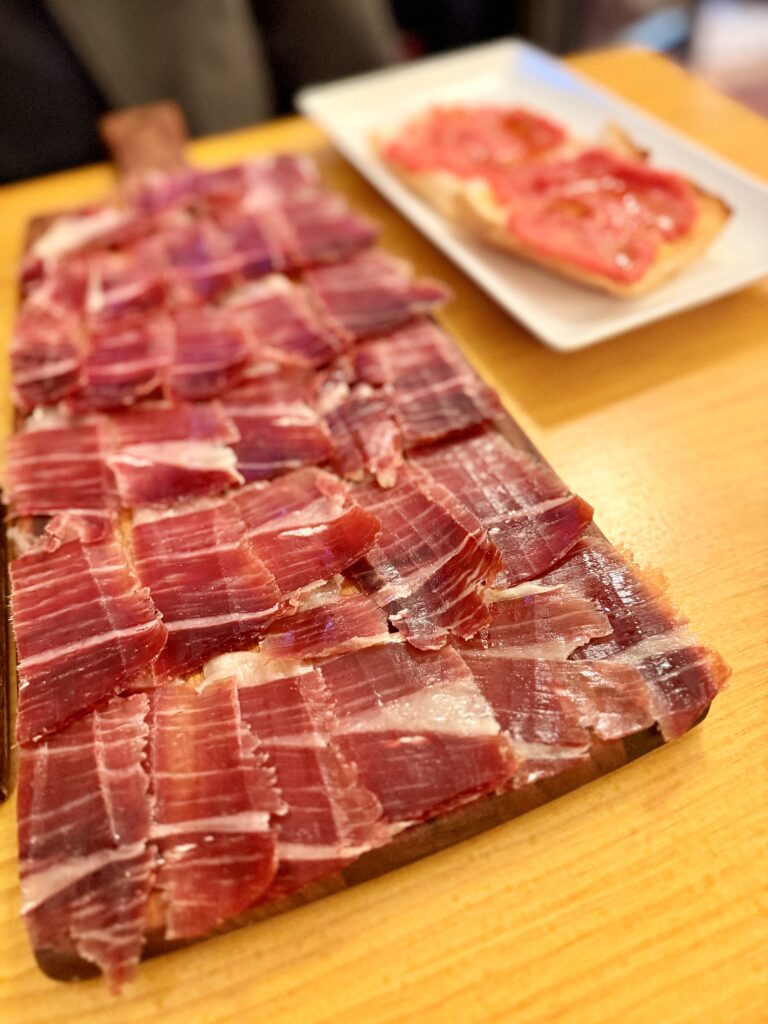
それは、食事の始まりを見事に演出してくれるのです。凝ったカナッペは必要ありません。彼が好むのは、ごくシンプルなものです。塩味の効いたアーモンド、ハモン・イベリコ、熟成したコンテチーズ。あるいは、バターを塗ったトーストにアンチョビをのせただけの一皿。
意外な組み合わせに思えるかもしれません。しかし、一度味わえば忘れられない組み合わせになります。
「塩味とコクが、このワインと見事に調和するのです」
肩肘張らず、みんなでシェアしながら楽しむ。そんな現代の食卓にぴったりのペアリングです。東京のワインバーで。大阪の小皿料理店で。あるいは自宅で友人と過ごす夕べに。
ディケムは食事の締めくくりではなく、人と人をつなぐ会話の中心となるのです。
東洋と西洋が出会う瞬間
話題が日本料理へ移ると、パスクィーニ氏の表情がさらに明るくなります。
何世紀にもわたるフランスの伝統と、日本の現代ガストロノミーが交差する瞬間です。彼が真っ先に挙げた料理は──
「和牛です」そう言って微笑みます。「私はディケムと和牛の組み合わせが本当に大好きなんです」
一見すると、意外な組み合わせです。世界でも屈指の濃厚な肉。そして世界を代表する甘口ワイン。しかし、このペアリングが成立する理由は、偉大なディケムが単なる「甘いワイン」ではないからです。
生き生きとした酸が、美しいサシの脂を心地よく切り、サフラン、柑橘の皮、核果、スパイスの複雑な香りが、肉の香ばしい焼き目と見事に響き合います。その調和は驚くほど自然です。
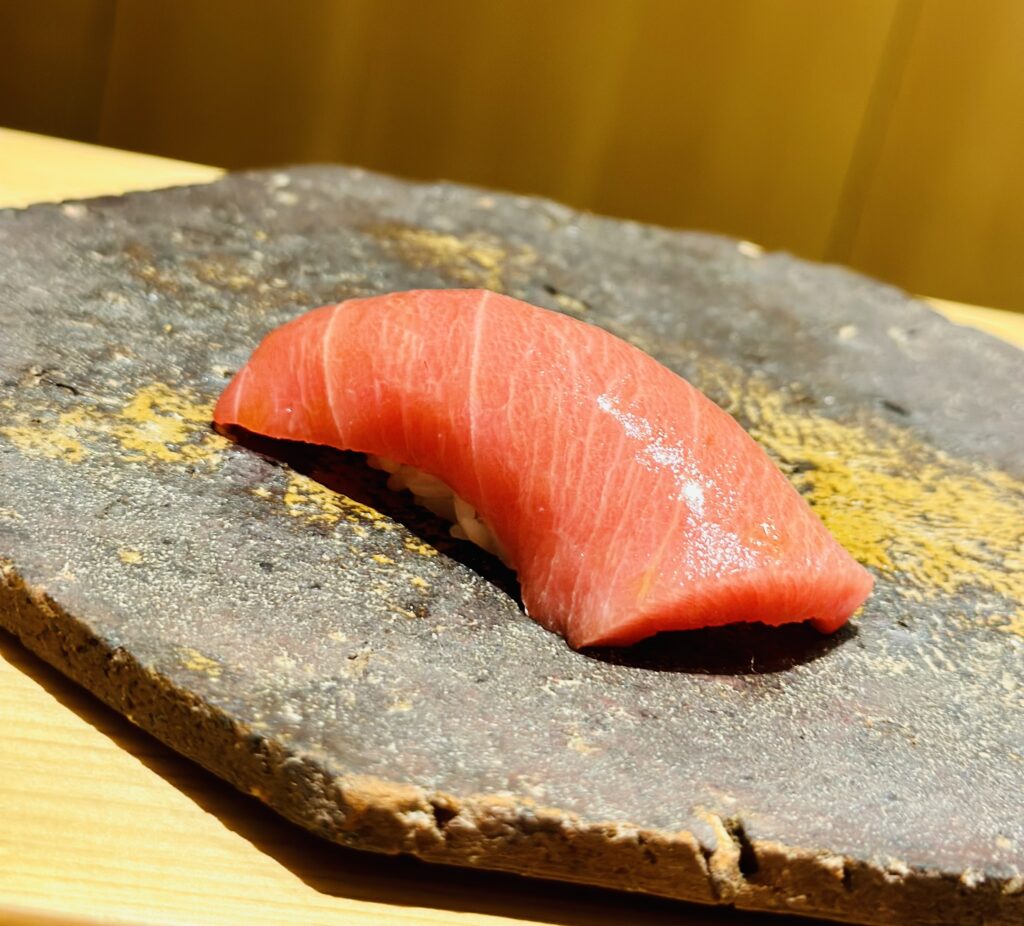
日本の食卓とは、もう一つの発見があります。高級寿司店で供される大トロです。とろけるような脂と繊細な旨味は、とりわけ熟成したディケムが持つ、奥深さや複雑な風味と素晴らしい相性を見せます。
これらは話題づくりのための奇抜な組み合わせではありません。
ボルドー最古の偉大なワインの一つが、世界で最も革新的な食卓の上で新たな価値を見出している証なのです。
偉大なワインの進化
人が年齢とともに変化するように、偉大なワインもまた時を重ねて変わっていきます。
若いディケムは、柑橘類、アプリコット、パイナップル、白い花々、そして鮮やかな酸味が弾けるような生命力を放っています。
年月を経るにつれ、その香りは蜂蜜、サフラン、ローストアーモンド、キャラメル、ドライフルーツ、オレンジマーマレード、エキゾチックなスパイスへと変化していきます。
そして、その変化とともに、料理との相性も大きく広がっていきます。パスクィーニ氏は、ディケムをまるで三つの異なるワインのように考えています。
若いうちは、食事の始まりに。前菜やシャルキュトリーを爽やかに引き立てます。
熟成が進むと、ローストチキンやロブスター、和牛、ローストポークなど、より存在感のあるメインディッシュに寄り添います。
そして長い年月を経たワインは、再び伝統的なペアリングへ。ブルーチーズ、ほのかに甘いデザート。あるいは、何も合わせないという贅沢。
その一本だけに、静かに向き合いたくなるワインもあるのです。
究極の贅
お気に入りのペアリングを尋ねると、パスクィーニは迷うことなく答えました。
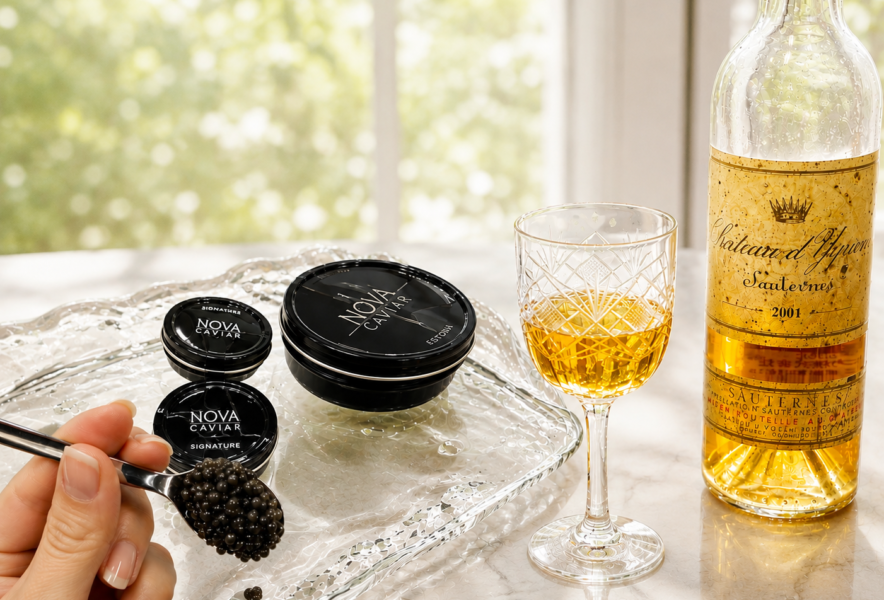
「キャビアをスプーン一杯」実に贅沢です。
しかし、その理由は意外なほどシンプルでした。
「とてもシンプルなんです。」凝ったソースもありません。華やかな演出もありません。ただ、二つの最高の食材がお互いを引き立て合うだけです。
キャビアの塩味がワインの爽やかさを際立たせ、クリーミーな食感が余韻をさらに長く、美しく広げてくれます。
「ロマンチックな夜には最高ですよ」そう笑いながら語ります。その答えこそが、ディケムの哲学そのものです。
本当の贅沢とは、複雑さではありません。最高の瞬間を選ぶことなのです。
新しい世代へ
長年、ソーテルヌには「古いワイン」というイメージがつきまとってきました。
格式ある晩餐会や年配のコレクター、特別な祝いの日だけのワイン。若い世代の多くは、そう考えていました。
しかし、パスクィーニ氏は違います。
現代の消費者、とりわけ若いワイン愛好家が求めているのは、本物です。体験、物語、そして思い出。飲む量は減っても、より良いものを選ぶ。
「彼らは本物を求めています。自然とつながり、心に残る体験を与えてくれるものを」
その意味では、シャトー・ディケムほど現代的なワインはありません。その物語は作り出せません。その作り方を急ぐこともできません。その個性を真似ることもできません。そして何より、好奇心を持つ人に必ず応えてくれるワインなのです。
パスクィーニ氏は、マーケティングだけで人を説得したいとは思っていません。ただ、一度飲んでほしい。それだけなのです。
「初めてディケムを飲んで、気に入らなかった人に私はまだ会ったことがありません」彼は、微笑みます。
「私たちの仕事は、できるだけ多くの人に、その最初の一杯を体験してもらうことなのです。」
©C.Goussard
一本のボトルを超えて
その考え方は、ワインだけにとどまりません。
シャトー・ディケムでは、近年、より多くの人々を迎え入れています。
畑を歩き、歴史あるシャトーの前に立つ。その体験は、一本のワインに新たな意味を与えてくれます。
店頭で購入した一本が語る物語と、そのワインが生まれた場所に立って知る物語は、全く異なるものです。
「この場所を訪れた人は、生涯にわたるディケムのアンバサダーになります」それこそが、これからの偉大なワインのあり方なのかもしれません。
ボトルを集めるのではなく、体験を集めること。
ソーテルヌの畑に沈む夕日でも、東京で友人と交わす一杯でも、あるいは甘口ワインはデザートではなく和牛と楽しむものだと気づく瞬間でも。心に残る一本は、コルクが抜かれたあとも、いつまでも語り継がれる物語を生み出します。
そして、それこそが希少性や名声を超えて、シャトー・ディケムが何百年もの間、大切にしてきたものなのです。
人の心に残る瞬間を創り続けること。
第1回:イケム伝説 ― 待つ価値のあるワイン
第2回:伝説を受け継ぐ守護者
第3回:「デザートワインという常識を覆す」
次回:第5部 「一本のボトルに宿る一世紀」
ロレンツォ・パスクィーニが語る、シャトー・ディケムの遺産、忘れられないヴィンテージ、人生で最も心を動かされた一本、そして完璧なワインを造ることではなく、一生心に残る感動を生み出すことこそが、シャトー・ディケムにおける最大の使命である理由に迫ります。
Part 4: Forget Dessert
Why Château d’Yquem Is Finding a New Place at the Modern Table
Mention Sauternes to most wine drinkers and the response is almost predictable.
Foie gras.
Blue cheese.
Fruit tart.
Perhaps Christmas pudding.
For generations, sweet wines have been confined to the final course of the meal, served almost as an afterthought. It’s a tradition so deeply ingrained that many people have never considered drinking Château d’Yquem with anything else.
Lorenzo Pasquini believes it’s time to change that.
“One of our biggest challenges,” he says, “is simply getting people to taste the wine in different ways.”
Not because the classic pairings are wrong.
But because they reveal only a fraction of what Yquem can do.
Mr.Lorenzo Pasquini ©C.Goussard
Breaking the Rules
If there is one theme that runs through Pasquini’s vision for Château d’Yquem, it is accessibility—not in price, but in mindset.
The estate isn’t trying to reinvent the wine.
It is encouraging people to rediscover it.
“There has been this Anglo-Saxon tradition of serving sweet wines only with desserts,” he explains. “But in France and Italy, wines like Yquem have long been enjoyed with savoury dishes.”
The distinction is important.
A rich dessert often competes with the wine’s sweetness, masking its remarkable freshness and complexity. Savoury dishes, by contrast, create contrast.
Salt sharpens fruit.
Umami amplifies freshness.
Fat softens acidity while allowing the wine’s perfume to unfold.
The result is less about sweetness and more about balance.
Once people experience that harmony, Pasquini says, their perception of Sauternes changes completely.
The Perfect Beginning
Perhaps the biggest surprise is that Yquem doesn’t have to wait until the end of dinner.
In fact, Pasquini often serves young vintages as an aperitif.
A newly released Château d’Yquem—vibrant, energetic and bursting with freshness—can transform the opening moments of a meal.
Forget elaborate canapés.
He prefers simplicity.
Salted almonds.
Slices of Jamón Ibérico.
Aged Comté.
Even something as humble as toasted bread spread with butter and topped with anchovies.
The combination sounds unexpected.
It is also unforgettable.
“The saltiness and richness work beautifully with the wine.”
It’s a pairing that captures modern dining perfectly—relaxed, social and designed for sharing.
For Japan’s growing community of wine lovers, it’s an approach that feels particularly relevant. Whether gathered around a wine bar in Tokyo, sharing small plates in Osaka or enjoying an evening with friends at home, Yquem becomes part of the conversation rather than the finale.
East Meets West
As our discussion turns to Japanese cuisine, Pasquini becomes noticeably animated.
This is where centuries-old French tradition meets contemporary gastronomy.
One pairing, in particular, stands out.
“Wagyu.”
He smiles.
“I absolutely love Yquem with Wagyu beef.”
At first glance, the combination seems almost contradictory.
One is among the world’s richest meats.
The other is one of its sweetest wines.
Yet the pairing works because great Yquem is never simply sweet.
Its vibrant acidity slices effortlessly through the luxurious marbling, while layers of saffron, citrus peel, stone fruit and spice echo the caramelised flavours of the beef.
The result is astonishingly harmonious.
For Japanese diners, another revelation awaits.
Otoro—the prized fatty tuna served in high-end sushi restaurants.
Its buttery texture and delicate umami create an equally compelling partnership, particularly with mature vintages that have developed greater complexity and savoury nuance.
These are not novelty pairings.
They are examples of how one of Bordeaux’s oldest wines continues to find new relevance at the world’s most innovative tables.
The Evolution of a Great Wine
Like people, great wines change with age.
A young Yquem dazzles with exuberance—bright citrus, apricot, pineapple, white flowers and vibrant acidity.
Over time, those youthful notes evolve into layers of honey, saffron, toasted almonds, caramel, dried fruits, orange marmalade and exotic spice.
With that evolution comes remarkable versatility.
Pasquini thinks of Yquem almost as three different wines.
The youngest bottles belong at the beginning of a meal, where their freshness lifts simple appetisers and charcuterie.
As they mature, they become ideal companions to richer main courses, from roast poultry and lobster to Wagyu beef and roasted pork.
Only in their later years does he return to more traditional pairings.
Blue cheeses.
A lightly sweet dessert.
Or perhaps no food at all.
Some bottles deserve your complete attention.
The Ultimate Luxury
When asked about his favourite pairing, Pasquini doesn’t hesitate.
“A spoonful of caviar.”
It is undeniably extravagant.
Yet his explanation is surprisingly modest.
“It’s incredibly simple.”
There are no elaborate sauces.
No theatrical presentation.
Just two exceptional ingredients enhancing one another.
The saltiness of the caviar heightens the wine’s freshness, while the creamy texture creates extraordinary length on the palate.
“It’s perfect for a romantic evening,” he says with a grin.
The answer perfectly encapsulates Yquem’s philosophy.
Luxury is not necessarily about complexity.
Sometimes it is simply about choosing the right moments.
Winning Over a New Generation
For decades, Sauternes has battled an image problem.
Many younger drinkers viewed sweet wines as old-fashioned—reserved for formal dinners, older collectors or festive occasions.
Pasquini sees something very different.
Today’s consumers, particularly younger wine lovers, are searching for authenticity.
They want experiences.
Stories.
Memories.
They drink less, but they drink better.
“They’re looking for things that are real,” he says. “Things connected to nature that create lasting memories.”
By that measure, Château d’Yquem has never been more relevant.
Its story cannot be manufactured.
Its production cannot be rushed.
Its character cannot be copied.
And perhaps most importantly, it rewards curiosity.
Pasquini isn’t interested in convincing people through marketing.
He simply wants them to taste the wine.
“I’ve never met someone who didn’t enjoy their first glass of Yquem.”
He laughs.
“Our job is simply to give as many people as possible the opportunity to try it.”
More Than a Bottle
That philosophy extends beyond the wine itself.
Visitors are increasingly welcomed to Château d’Yquem, where walking through the vineyards and standing before the historic château transforms the experience.
A bottle purchased on a shelf tells one story.
Standing where it was born tells another.
“When people visit the estate,” Pasquini says, “they become ambassadors for life.”
Perhaps that’s the future of great wine.
Not simply collecting bottles.
Collecting experiences.
Whether it’s a sunset over the vineyards of Sauternes, a shared glass with friends in Tokyo, or discovering that sweet wine belongs alongside Wagyu rather than dessert, every memorable bottle creates a story that lives long after the cork has been pulled.
And that, more than rarity or prestige, is what Château d’Yquem has always been about. Creating moments worth remembering.
Coming in Part 5: A Century in Every Bottle — Lorenzo Pasquini reflects on legacy, his favourite vintages, the bottle that moved him most, and why the greatest achievement at Château d’Yquem is not making the perfect wine, but creating an emotion that lasts a lifetime
Week 1: The Legend of Yquem – A wine worth waiting for.