
©C.Goussard
シャトー・ディケム特別連載 第3回(全5回)
文/ジョン・ケビン ウィラハン
※「シャトー・ディケム特別連載(全5回)」は毎週水曜日に配信いたします。(編集部注)
第3回:自然という賭け
シャトー・ディケムはいかにして科学と気候変動を超え続けるのか
毎年9月になると、ボルドーのワイン生産者たちは空模様を気にかけ始めます。しかし、シャトー・ディケムでは、「願いを持って観る」に近いでしょう。
多くのワイナリーとは異なり、ディケムではブドウが熟したからといって収穫を始めることはできません。彼らが待ち望むのは、自然が生み出す極めて稀な現象――ボトリティス・シネレア(貴腐菌)です。この「貴腐菌」無しでは、シャトー・ディケムは存在しません。
何世紀にもわたり観察と研究が続けられてきたにもかかわらず、その仕組みはいまだ多くが謎に包まれています。
「私たちも、まだ完全には理解していません。貴腐菌には、いまだ説明のつかない部分が数多く残っています」そう語るのは、シャトー・ディケムの総支配人兼CEO、ロレンツォ・パスクィーニ氏です。
アルゴリズムやビッグデータ、そしてAIが、世界をどんどん動かしつつある時代だからこそ、この「説明できないもの」の存在には、どこか心を惹かれるものがあります。
「完全にコントロールできないからこそ、私たちは魅了されるのです。」
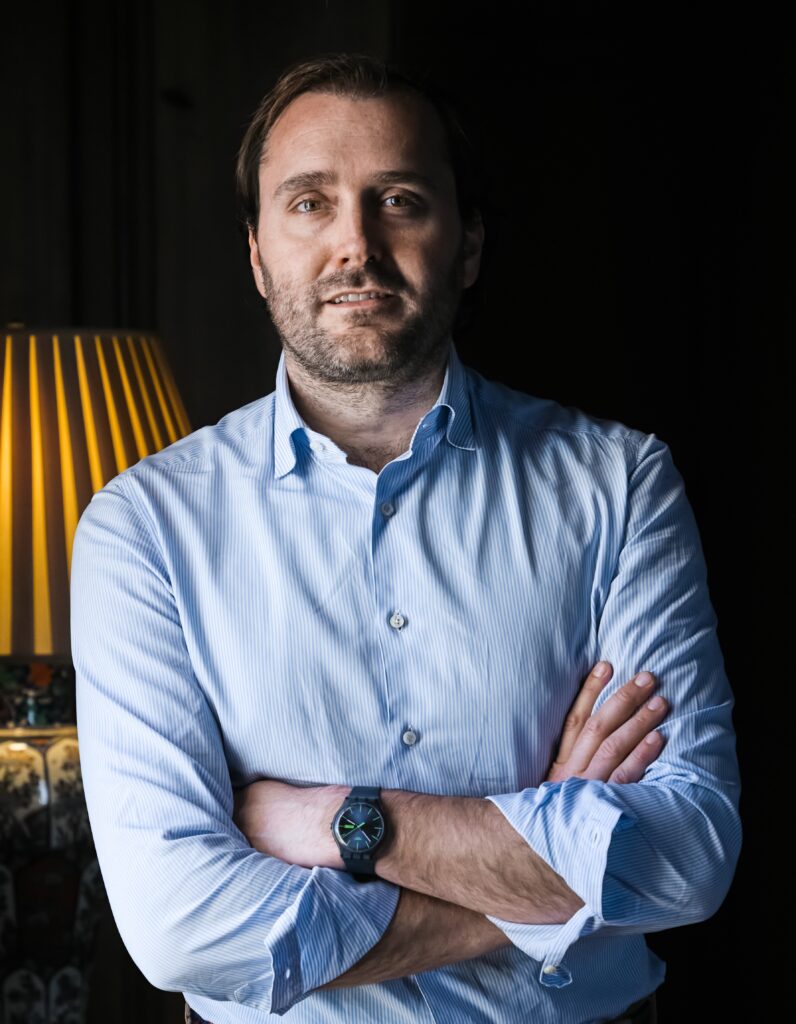
ロレンツォ・パスクィーニ氏(Mr.Lorenzo Pasquini)
©C.Goussard
不確実性という贅沢
多くのラグジュアリーブランドは、精密さと一貫性によって価値を築いています。
しかし、ディケムが築いてきた価値の基盤は、その真逆ともいえる「不確実性」です。
同じ生育シーズンは二度とありません。少し雨が多すぎるだけでも、朝霧が一週間現れなくても、突然の霜や猛暑に見舞われても、その年のヴィンテージは大きく姿を変えてしまいます。
さらに、貴腐菌は畑全体に均一に広がるわけではありません。隣り合って実る二粒のブドウでさえ、成熟のタイミングが数日、あるいは数週間も異なることがあります。
「貴腐菌の進行は非常に不均一です」と、パスクィーニ氏は説明します。「一本の樹の中でも、完璧な状態の果実もあれば、もう少し時間が必要なもの、そして決して収穫してはならないものもあります」
だからこそ、シャトー・ディケムの収穫は、世界のワイン産地の中でも極めて特別なのです。
畑全体を一日で収穫することはありません。収穫人たちは数週間にわたり何度も畑へ戻り、その瞬間に最も理想的な状態へ達した果粒だけを一粒ずつ摘み取ります。
この作業は「トリ(Trie)」と呼ばれます。
一本の樹を6回、8回、ときには10回以上訪れてようやく収穫が終わることもあります。それは高級ワイン造りにおいて最も労力を要する工程のひとつであり、同時に、最も予測が難しい工程でもあります。
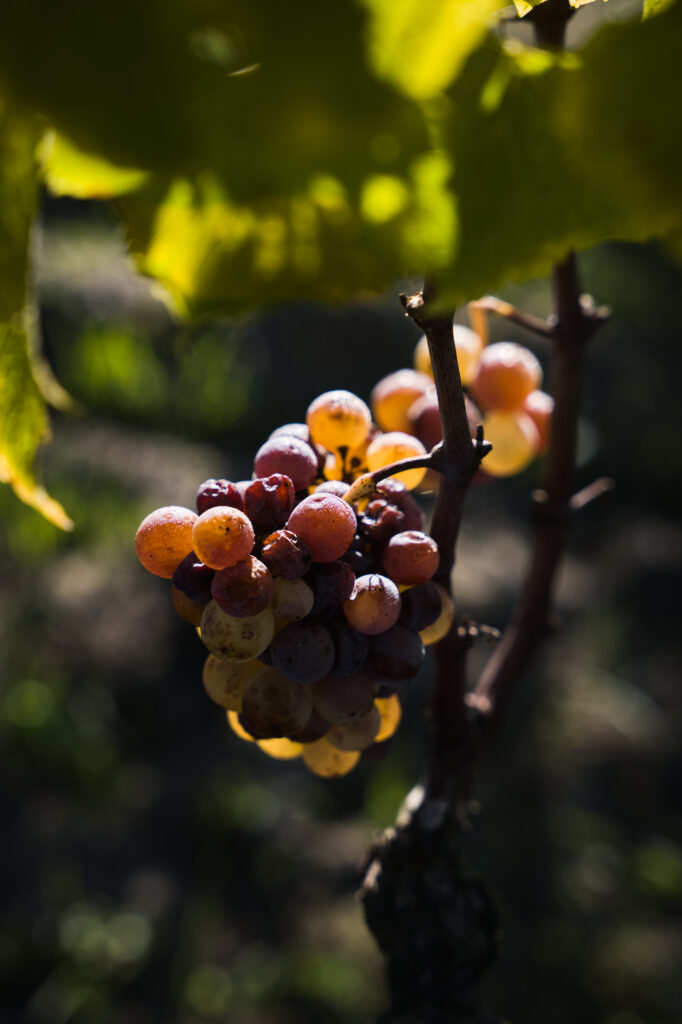
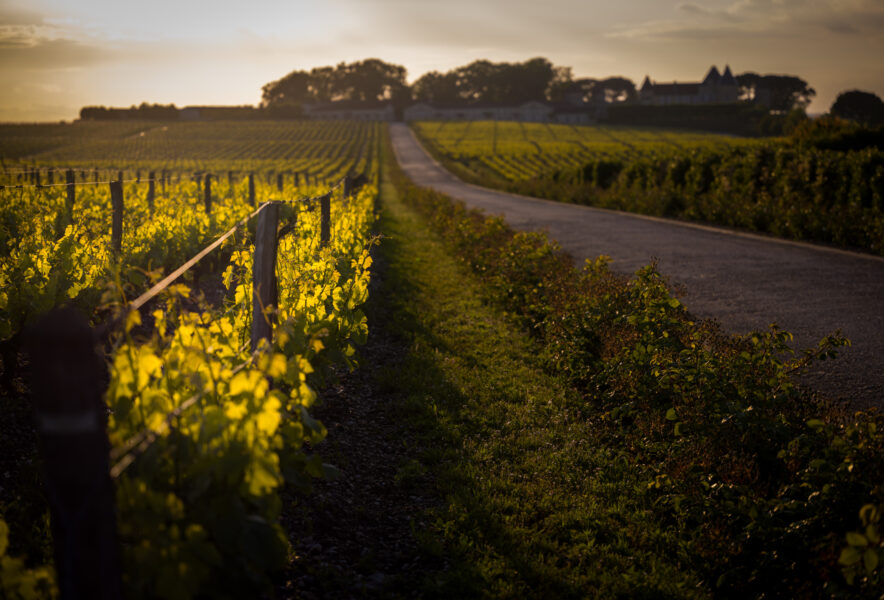
©C.Goussard
人の手だからこそできる仕事
ドローンや精密農業、収穫機械が当たり前となった現代。テクノロジーはシャトー・ディケムの人々に取って代われるのでしょうか?
パスクィーニ氏は迷うことなく答えます。
「これはロボットにも、AIにもできる仕事ではありません」
これは、懐古主義だからではなく、単純に、現実だからです。すべての加減を、一つひとつ見極めなければならないのです。
色合い、果皮の状態、凝縮感、そして貴腐菌の質。優れた果粒だけを慎重に選び、そうでないものは畑に残す。それは、まさに職人技そのものです。
「人はテロワールと同じくらい重要な存在です」
この言葉は、ワイン界で長年語り継がれてきた議論にも一石を投じます。偉大なワインは畑が生むのか?それとも人が造るのか?
ディケムの答えは明快です。その両方です。自然が可能性を与え、人間の経験が、それを偉大なワインへと昇華させるのです。
気候変動という新たな現実
世界中のワイン産地と同様に、ソーテルヌもすでに気候変動の影響を受けています。夏はより暑くなり、干ばつは長引き、豪雨は突然訪れ、霜害も予測が難しくなっています。
「畑は、かつてよりもはるかに極端な環境に直面しています」と、パスクィーニ氏は語ります。
問題は、単なる気温の上昇ではありません。予測が不可能であるということが問題なのです。
貴腐菌が理想的に発生するために必要な、ごく限られた気象条件を得ることが年々難しくなっています。幸いにも、シャトー・ディケム特有のテロワールは、今なお、湿度と日照の絶妙なバランスを保ち、貴腐菌の発生を支えています。
「今のところ、その条件はまだ保たれています」近年のヴィンテージも、それを証明しています。しかし、変化に適応することは、もはや不可欠なのです。
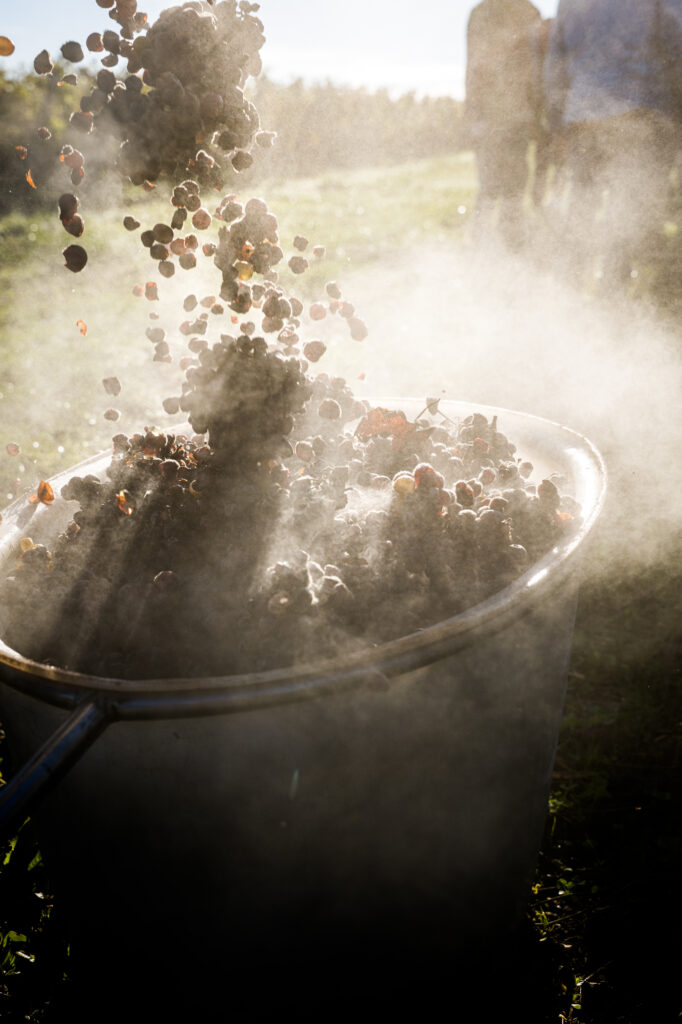
©C.Goussard
伝統は立ち止まらない
歴史あるワイナリーでは、何も変わらない。そんなイメージを抱く人も少なくありません。しかし実際には、世界最古クラスのワイナリーほど革新的でもあります。
シャトー・ディケムでも、変化は静かに進んでいます。ルートストックの選定を見直し、キャノピーマネジメントを改善し、植樹方法も絶えず最適化しています。
環境負荷の削減にも積極的に取り組み、電動トラクターを導入するとともに、低排出燃料を使用する機械も活用しています。更に、小さな交換部品や畑で使う工具の一部は、3Dプリンターで現地製作され、廃棄物や輸送を削減しています。
しかし、最新技術を取り入れながらも、一つだけ決して変わらない原則があります。ワインそのものは、可能な限り自然な方法で造ること。
「醸造そのものは非常に伝統的です。設備は新しくなっていますが、本質的には何百年も続いてきた仕事を今も行っているのです」
難しい年から学ぶ
偉大なワイナリーには、必ず伝説的なヴィンテージがあります。しかし、本当に卓越したワイナリーは、困難な年からも学び続けます。
興味深いことに、パスクィーニ氏が特に愛するヴィンテージは、コレクターたちが追い求める有名な年ではありません。彼が語るのは、静かに期待を超えてきた一本です。
「2002年ヴィンテージ」
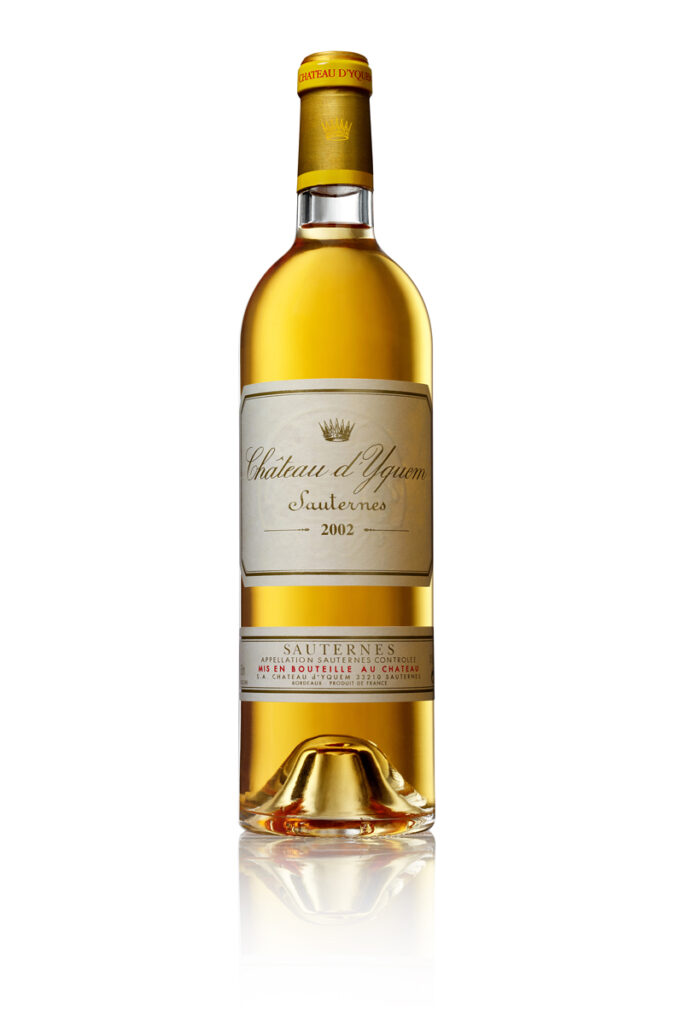
偉大な2001年と力強い2003年の陰に隠れ、ボルドー屈指の当たり年として語られることは多くありません。しかし、彼がボトルを開けるたび、その印象は変わります。
「このワインには、人々を驚かせ続ける明るさとエレガンスがあります」
偉大なワインは、評判だけで決まるものではない。時として、静かなヴィンテージほど豊かな個性を秘めているのです。
天気予報の、その先へ
気候変動がシャトー・ディケムにもたらした最大の教訓。
それは「謙虚さ」です。どれほど経験を積んでも成功は保証されません。どれほど技術が進歩しても、忍耐を置き換えることはできません。
「どんな困難の中にも、必ず新たな可能性があります」そうパスクィーニ氏は語ります。
「自分が知っていると思っていたことを、もう一度問い直す機会なのです」それこそが、最も大きな学びなのかもしれません。
ワインとは、常に人と自然との対話でした。気候変動は、その対話をより切実なものにしただけなのです。
ディケムが選んだ答えは、恐れることでも、頑なに抵抗することでもありません。好奇心を持ち続けること。必要なものは変え、守るべきものは守る。そして、学び続けることです。
一つひとつのヴィンテージが紡ぐ遺産
ひとつだけ確かなことがあります。
シャトー・ディケムは、変化を拒み続けていたなら、400年以上もの歴史を刻むことはできなかったでしょう。
その歩みを支えてきたのは、「方法」を変えることと、「本質」を変えることの違いを理解していたからです。
自然は、毎年新しい脚本を書きます。ディケムの人々は、その物語を読み解く術を学び続けているのです。だからこそ、4世紀を超えた今なお、世界最高峰の甘口ワインは驚くほど生命力に満ちています。
一本一本のボトルは、科学だけでも、伝統だけでも生まれません。何千もの小さな決断と、果てしない忍耐、そして、最も知識を持っている人々でも、誰一人として完全にはコントロールできないプロセスを信じる勇気。
その積み重ねが、一本のディケムを生み出しているのです。
「不確実性」は、シャトー・ディケム最大の弱点ではありません。むしろ、最大の強みなのです。
第1回:イケム伝説 ― 待つ価値のあるワイン
第2回:伝説を受け継ぐ守護者
第3回:「デザートワインという常識を覆す」
ロレンツォ・パスクィーニ氏が、なぜシャトー・ディケムは和牛や大トロ、イベリコハム、さらにはアンチョビと合わせるべきワインなのかを語ります。
ソーテルヌの未来は、デザートのテーブルをはるかに超えた場所にあるのかもしれません。
Part 3: Nature’s Gamble
Why Château d’Yquem Continues to Defy Science—and the Changing Climate
Every September, winegrowers across Bordeaux begin watching the weather with increasing anticipation.
At Château d’Yquem, they watch it with something closer to hope.
Unlike most wineries, Yquem cannot simply harvest when the grapes are ripe. Instead, the estate waits for one of nature’s rarest phenomena to appear—Botrytis cinerea, better known as noble rot. Without it, there is no Château d’Yquem.
It is a process so unpredictable that even after centuries of observation, much of it remains a mystery.
“We still don’t completely understand it,” Lorenzo Pasquini tells me. “There is still a large part of noble rot that remains unexplained.”
For a world increasingly driven by algorithms, data and artificial intelligence, that mystery is strangely comforting.
“It fascinates us because we cannot fully control it.”
Mr.Lorenzo Pasquini ©C.Goussard
The Luxury of Uncertainty
Most luxury products are built on precision and consistency.
Yquem is built on uncertainty.
No two growing seasons are alike. A little too much rain, a week without morning mist, an untimely frost or a burst of excessive heat can dramatically alter the course of a vintage.
Even when noble rot develops, it doesn’t do so evenly.
Two grapes growing side by side can mature days or even weeks apart.
“The development of noble rot is very heterogeneous,” Pasquini explains. “On the same vine you may have grapes that are perfect, others that need more time, and others that must never be picked.”
That is why the harvest at Château d’Yquem is unlike almost any other in the wine world.
Rather than harvesting an entire vineyard in a single day, pickers return repeatedly over several weeks, selecting only the individual berries that have reached the ideal stage of development.
Each pass through the vineyard is known as a trie.
Some vines are visited six, eight or even ten times before the harvest is complete.
It is one of the most labour-intensive processes in fine wine.
And one of the least predictable.
©C.Goussard
Why Human Hands Still Matter
In an age of drones, precision viticulture and machine harvesting, could technology ever replace the people behind Château d’Yquem?
Pasquini doesn’t think so.
“This isn’t something you can do with robots—or with AI.”
The answer isn’t born from nostalgia.
It is simply reality.
Every berry must be judged individually.
Workers assess colour, texture, concentration and the quality of the noble rot itself. Good botrytis is carefully selected. Inferior fruit is left behind.
It is craftsmanship in its purest form.
“The people are just as important as the terroir,” Pasquini says.
It is an observation that challenges one of wine’s oldest debates.
For generations, enthusiasts have argued over whether great wines are made in the vineyard or by the people who farm it.
At Yquem, the answer is both.
Nature provides the opportunity.
Human experience transforms it into greatness.
Climate Change: The New Reality
Like every wine region on earth, Sauternes is already feeling the effects of climate change.
The seasons have become more extreme.
Hotter summers.
Longer droughts.
Sudden downpours.
Unexpected frosts.
“The vineyards are facing conditions that are much more extreme than in the past,” Pasquini says.
The challenge isn’t simply higher temperatures.
It is unpredictability.
The narrow climatic window required for noble rot has become increasingly difficult to navigate.
Fortunately, Yquem’s unique terroir continues to provide the delicate balance of humidity and sunshine needed for botrytis to develop.
“So far,” Pasquini says, “the conditions for noble rot are still there.”
Recent vintages have proved that exceptional wines remain possible.
But adapting has become essential.
©C.Goussard
Tradition Isn’t Standing Still
One of the biggest misconceptions about historic wine estates is that nothing ever changes.
In reality, some of the world’s oldest wineries are among the most innovative.
At Château d’Yquem, adaptation happens quietly.
Rootstocks are being reconsidered.
Canopy management continues to evolve.
Planting strategies are constantly refined.
The estate is also investing heavily in reducing its environmental footprint.
Electric tractors now work in the vineyards alongside machines powered by lower-emission fuels.
Three-dimensional printing is even being used to manufacture small replacement parts and vineyard tools on-site, reducing waste and unnecessary transport.
Yet despite embracing modern technology where it makes sense, one principle remains untouched.
The wine itself will continue to be made as naturally as possible.
“Our winemaking remains very traditional,” Pasquini says. “Some equipment is newer, but fundamentally we are doing the same work that has been done here for hundreds of years.”
Learning From Difficult Years
Every great wine estate has celebrated legendary vintages.
The truly exceptional ones also learn from the difficult years.
Interestingly, some of Pasquini’s favourite bottles are not the famous vintages collectors chase.
Instead, he speaks fondly of wines that quietly exceeded expectations.
One vintage in particular continues to surprise him.
“2002.”
Overshadowed by the acclaimed 2001 and the powerful 2003, it rarely appears on lists of Bordeaux’s greatest years.
Yet every time he opens a bottle, it tells a different story.
“It has a brightness and elegance that continually surprises people.”
It is a reminder that great wine is never simply the product of reputation.
Sometimes, the quieter vintages reveal the greatest character.
Looking Beyond the Forecast
If climate change has taught Château d’Yquem anything, it is humility.
No amount of experience guarantees success.
No amount of technology can replace patience.
“There is always an opportunity within every challenge,” Pasquini reflects.
“The opportunity is to question what you think you know.”
That philosophy may be the greatest lesson of all.
Wine has always been a conversation between people and nature.
Climate change has simply made that conversation more urgent.
For Yquem, the response is neither panic nor stubborn resistance.
It is curiosity.
Adapt where necessary.
Protect what matters. Never stop learning.
A Legacy Written One Vintage at a Time
One truth stands above all else: Château d’Yquem would never have endured for more than four centuries by resisting change.
It has survived because it understood the difference between changing its methods and changing its identity.
Nature writes a new script every vintage.
The people of Yquem simply learn how to read it.
And perhaps that is why, after more than four centuries, the world’s most famous sweet wine still feels remarkably alive.
Each bottle is not merely the result of science or tradition.
It is the outcome of thousands of tiny decisions, endless patience, and a willingness to trust a process that no one—not even the people who know it best—can ever completely control.
That uncertainty is not Yquem’s greatest weakness.
It is its greatest strength.
Coming in Part 4: Forget Dessert Wine — Lorenzo Pasquini explains why Château d’Yquem belongs alongside wagyu beef, otoro tuna, Iberian ham and even anchovies, and why the future of Sauternes may lie far beyond the dessert table.