ケビンのワインコード ラベルの先にあるもの Vol.4
文/ジョン・ケビン ウィラハン
成功したカイロプラクターとしてのキャリアを離れ、ワインの世界を探求する旅へ。10年を経た今、マシュー・ホーキー博士は、ワインをより身近に、楽しく、魅力的に伝えることで、世界中に多くのフォロワーを持つ存在となった。情熱を仕事に変えたい人、そしてSNSを効果的に活用したい人にとって、彼の歩みには意外なヒントが隠されている。
情熱を仕事に変えるには、何が必要なのだろうか。スマートフォンと何本かの興味深いワイン、そしてInstagramのアカウントがあれば十分なのだろうか。そう尋ねられたら、マシュー・ホーキー博士は、現実はそれほど単純ではないと答えるだろう。
かつてカイロプラクターとして開業していたホーキーは、診療所での仕事を離れ、ワイナリーを訪ね歩き、ワインの発見を発信する人生へと転身した。YouTubeチャンネルをはじめとするワイン関連コンテンツを通じて、この10年間で世界中にファンを築いてきた。
その旅は、ジョージア、トルコ、アルメニアといった歴史あるワイン産地から、世界的に名高い銘醸地にまで及ぶ。しかし、美しい風景や印象的なワインの裏側には、努力と創造力、そしてオンラインで人々の心をつかむコンテンツとは何かを学び続けてきた物語がある。
彼の哲学はいたってシンプルだ。ワインは楽しく、親しみやすく、エンターテインメント性のあるものであるべきで、専門家だけのための敷居の高い世界であってはならない。
思いがけない転身
ホーキーがワインに興味を持ち始めたのは、カイロプラクターになるために大学院(博士課程)で学んでいた頃だった。開業後、順調に診療所を経営していた彼は、休暇を取って世界を旅することを決意する。
当初の予定は7か月間の旅だった。しかし、それはやがて、もっと長く続く人生の転機となった。
旅先では多くの時間をワイン産地の探訪や生産者との交流に費やし、ワインと料理、そしてその土地の文化がどのように結びついているのかを発見していった。
ジョージア、トルコ、アルメニアを旅するなかで、彼はこれらの魅力的なワイン産地について、英語で気軽に読める情報が少ないことに気づく。そこで、自分が発見したことを独り占めせず、オンラインで発信し始めた。
その小さな一歩が、やがて10年にわたるワインコンテンツクリエイターとしてのキャリアへと発展していく。とはいえ、ホーキーはワインインフルエンサーになることが簡単な道ではないと、率直に語る。
これからコンテンツ制作を始めたい人にアドバイスを求められると、彼は冗談交じりにこう答える。
「ワインは趣味のままにしておいたほうがいいかもしれませんね」
ワインメディアの仕事で本当に生活を成り立たせられると感じるまで、彼には約10年もの歳月が必要だった。
情熱を職業に変えるには、単なる熱意以上のものが求められる。そのことを、彼の経験は教えてくれる。
ワインを魅力的に伝えるには――専門知識以上に大切な個性
専門家や評論家、インフルエンサーがひしめくオンラインの世界で、どうすれば人々の注目を集められるのだろうか。
ホーキーの答えは、個性とエンターテインメント性にある。
彼は、自身の哲学の核となっているワインライター、ロバート・ジョセフ氏の言葉を紹介してくれた。
「ワインの世界に必要なのは、これ以上多くの教育者ではない。人々を魅了する人なのだ」
ホーキーはこの考え方に深く共感している。
ワイン業界には、アペラシオンやブドウ品種、土壌の構成、醸造技術を解説する人はすでに数多くいる。今、必要とされているのは、ワインをもっと刺激的で、魅力的で、楽しめるものとして伝えられる人たちなのだ。
ホーキーが好んで使う表現手段は動画だ。特にブラインドテイスティングでは、視聴者は彼の素直な反応をそのまま見ることができる。彼は間違えることさえ楽しんでいる。
実際、視聴者はそうした場面を好むことが多いという。完璧に準備されたテイスティングコメントよりも、親しみやすさを感じられるからだ。人々が見たいのは、熱意や驚き、そしてその人ならではの個性である。
これはオンラインでコンテンツを発信するすべての人にとって、大切な教訓だ。知識は注目を集めるかもしれない。しかし、人と人とのつながりを生み出すのは個性なのだ。
SNSを効果的に活用するための5つのコツ
ホーキーによれば、成功するコンテンツ制作には、単に写真を投稿したり情報を共有したりするのとは異なる考え方が必要だ。特にYouTubeでは、実質的にメディア企業を運営しているような意識が求められる。
彼の経験から学べる5つのポイントを紹介しよう。
1.まずは誰もが知っているテーマから始める
多くのコンテンツがあふれるオンラインの世界で注目を集めるのは簡単ではない。ホーキーは、まず多くの人が知っているテーマを入口にすることを勧める。
ワインでいえば、ボルドー、ブルゴーニュ、ナパ・カベルネ、シャンパーニュなどは、名前を知っている人が多く、関心を集めやすい。そこから、まだあまり知られていない生産者や産地、ワインへと話題を広げていけばよい。
これはほかの業界にも当てはまる。新しいものを紹介するときは、まず視聴者がすでに理解しているものと結びつけることが効果的なのだ。
2.撮影する前にタイトルとサムネイルを考える
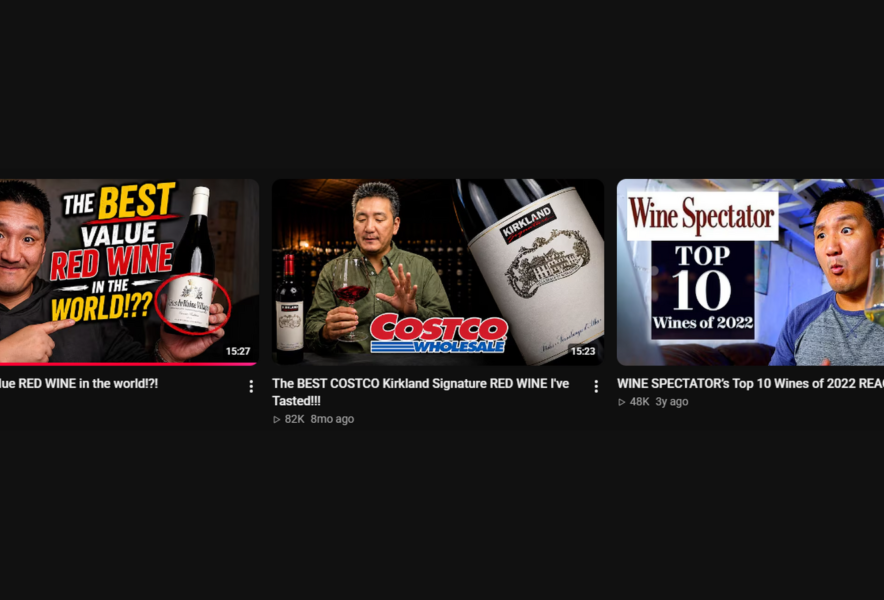
ホーキーが指摘する実践的なポイントのひとつが、動画のタイトルとサムネイルの重要性だ。
成功しているYouTuberの多くは、実際に撮影を始める前に、タイトルとサムネイルを考えているという。なぜか。それが視聴者にクリックしてもらうきっかけになるからだ。
例えば、「リオハワイン入門」というタイトルと、「リオハはスペインで最も過小評価されているワイン産地なのか?」というタイトルを比べてみよう。
後者のほうが好奇心を刺激し、動画を見てみたいと思わせる。
どれほど優れた動画でも、クリックしてもらえなければ、その魅力を伝えることはできない。
3.視聴者を惹きつけ続ける
視聴者を集めることは、課題の半分にすぎない。最後まで興味を持って見てもらうことも同じくらい重要だ。
ホーキーは、特にYouTubeでは視聴時間を重視している。冒頭で視聴者の関心をつかみ、その後も最後まで興味を持ち続けてもらえる内容を届けなければならない。
興味深いことに、彼はYouTubeで効果的な動画の長さに大きな変化が起きていると感じている。最近は長尺動画の人気が高まっており、YouTubeは世界最大級のビデオポッドキャスト・プラットフォームのひとつへと進化している。スマートフォンやパソコンだけでなく、テレビの大画面で長時間の対談や動画を楽しむ人も増えている。
ホーキー自身も、こうした変化に合わせてスタイルを変えてきた。以前は動画を10〜15分程度に収めようとしていたが、現在では25〜30分に及ぶものも多い。ただし、長い動画が成立するのは、それだけの時間を使う価値のある内容がある場合に限られると強調する。
彼の基本原則は変わらない。
「必要な長さで、できる限り短くまとめること」。
つまり、単に動画を長くするためだけに、余計な内容を付け加えてはいけない。大切なのは、視聴者を画面の前に引き留めることではなく、最後まで興味を持ってもらうことなのだ。
4.教育とエンターテインメントを組み合わせる
おそらく、これが最も重要な教訓だろう。
技術的に正確な説明をしたからといって、必ずしも魅力的なコンテンツになるわけではない。ホーキーは、ストーリーテリングやユーモア、心からの熱意、そして予想外の瞬間にこそ、視聴者は反応すると考えている。
彼のブラインドテイスティング動画が人気なのは、視聴者が彼の反応を一緒に体験できるからだ。ワインの味わいを一方的に説明されるのではなく、新しい発見を共有することができる。
企業やプロフェッショナルにとっても、これは重要なヒントになる。単に情報を伝えるだけでなく、人々がその体験自体を楽しめる理由をつくることが大切なのだ。
5.完璧を待たずに始める
ホーキーは、自身の初期の動画の出来について、実に率直だ。決して上手なものではなかったが、それでも制作を続けた。
その後、撮影、照明、編集、映像制作の技術を少しずつ身につけ、現在では制作のほぼすべてを自分で手がけている。
彼のアドバイスは、手元にある機材でまず始め、実践しながら学び、上達には経験が必要だと受け入れること。
始める前から映像制作の専門家である必要はない。必要なのは、より良くなろうとする意欲なのだ。
フォロワー数よりも大切なのは信頼と自分らしさ
多くのインフルエンサーが注目を競い合う今、信頼性の重要性はますます高まっている。
ホーキーは、ワインのレビューや推薦をめぐる商業的なプレッシャーを特に意識している。
彼は、ワインのレビューと引き換えに生産者から報酬を受け取ることはしない。自分の率直な意見を自由に発信できる立場を守りたいからだ。
その代わりに、グラスウェアやワイン保存器具のメーカーなど、ワインと関連性のある企業とのパートナーシップを模索している。また、リオハのワイン教育プログラムとも協力してきた。
彼の姿勢は、商業的なコラボレーションと、編集上の独立性を損なうこととの間にある重要な違いを示している。
視聴者は有料プロモーションにますます敏感になっており、誰が、なぜ商品を推薦しているのかについて、透明性を求めていると彼は考えている。
彼のブラインドテイスティングも、そうした独立性を支えるものだ。提供されたワインが何かを本人が知っている場合でも、テイスティングの前に別の人がワインを混ぜ、銘柄が分からない状態にしている。
ホーキーにとって、信頼こそすべてだ。推薦が本当に自分の意見なのかと視聴者に疑われ始めれば、築き上げた信頼はあっという間に失われかねない。
彼が勧めるのは、高価なワインや専門知識で人々を感心させようとするのではなく、自分の本当の興味や個性を軸に、独自の存在感を築くことだ。
日本のワインコンテンツクリエイターに広がる可能性
日本のワインコンテンツクリエイターの可能性について尋ねると、ホーキーは、日本の豊かな食文化には、海外の視聴者に向けても独自の魅力を発信できる大きな可能性があると語る。
寿司や焼き鳥といった定番のペアリングにとどまらず、日本料理と世界各国のワインとの、もっと意外性のある組み合わせを探求する余地があるという。各地の郷土料理、調理法の違い、日本の食材が持つ繊細な風味など、創造的なコンテンツの題材は尽きない。
そうした発見は、日本の消費者だけでなく、日本の食文化に関心を持つ海外のワイン愛好家にも響くはずだ。
また、ホーキーは、日本やアジアのクリエイターが持つ文化的な視点にも強みがあると考えている。アジアをはじめ世界各地にワイン愛好家やコレクターがいるなかで、日本やアジアのクリエイターの経験や視点は、欧米の発信者とは異なる形で共感を生む可能性がある。
興味深いことに、彼はワイン業界がフードインフルエンサーから学べることもあると指摘する。フードインフルエンサーは、分からないことを素直に質問し、知らないことを認め、純粋な好奇心を持って新しいテーマを探求することに慣れている。一方、ワインの専門家は、ただ発見を楽しむよりも、自分の知識を証明しなければならないというプレッシャーを感じることがある。
ホーキーにとって、試し、質問し、発見を共有する姿勢こそが、人を惹きつけるコンテンツを生み出す。日本の食文化、世界のワイン、そして飾らない好奇心を組み合わせることで、日本のクリエイターは独自の発信スタイルを築き、世界のワインコミュニティに新鮮な視点をもたらすことができる。
ワインインフルエンサーとして生計を立てられるのか?
ホーキーの答えは、「非常に難しい」というものだ。
ワインメディアの華やかな側面には、ワイナリー訪問、思い出に残る食事、素晴らしいワインとの出会いがある。しかし、その裏側には、視聴者を獲得し、業界との関係を築き、ワインのサンプルを確保し、安定した収入を生み出すという地道な仕事がある。
彼は経済的な現実についても率直だ。カイロプラクターとして働いていた頃に比べ、現在の収入はかなり少ないという。
ワインメディアだけでフルタイムの生計を立てている人はごくわずかであり、SNSのフォロワーが多いからといって、必ずしも収益性の高いビジネスになるわけではない。
彼の経験から言えるのは、クリエイターはスポンサー投稿やプラットフォームの広告収入だけに頼るべきではないということだ。関連企業とのパートナーシップ、教育プログラムとの協業、ワイン関連アクセサリーやサービスなど、別の収益機会を探ることもできる。
すでにワイン業界で仕事をしている人にとっては、SNSは既存のビジネスを強化する手段にもなる。人との関係を築き、認知度を高め、新しい顧客を獲得することにつながるからだ。
重要なのは、信頼を損なうことなく、持続可能なビジネスモデルを築くことである。
彼からのアドバイスは? まず始めてみよう!
コンテンツ制作を10年間続けてきたホーキーが、これからインフルエンサーを目指す人に伝えたいことは、3つに集約される。
格好悪く見えることを恐れない。 最初の動画は完璧ではないし、失敗もする。それも学びの一部だ。むしろ、そうした瞬間が親しみやすさにつながり、視聴者に面白いと思ってもらえることさえある。
謙虚でいること。 最近マスター・オブ・ワインのプログラムに挑戦し始めたホーキーは、ワインについて理解すべきことがいかに多いかを、改めて実感しているという。すべてを知っている人などいない。知っているふりをすることこそ間違いなのだ。
自分らしさを大切にする。 本物の個性は簡単につくり出せるものではない。人々が共感するのは、立派なワインコレクションや専門資格だけではなく、心からの熱意やユーモア、そしてその人らしさなのだ。
では、明日から何かを始めたい人は、まず何をすればいいのだろうか。
「とにかく作り始めて、投稿することです」
どの写真や動画、あるいはストーリーが誰かの心に響くかは、投稿してみなければ分からない。
ホーキーは、たとえフルタイムの仕事にならなかったとしても、YouTubeチャンネルを始めることには大きな価値があると考えている。コミュニケーション力、ストーリーテリング、映像制作、プロジェクト管理、そして人間心理への理解を身につけることができるからだ。何より、自分を表現することへの恐れを乗り越えるきっかけになる。
振り返ってみると、彼は当初、ワイン業界で有名な存在になることにこだわりすぎていたと認める。今では、自分のコンテンツをより良くし、知識を深め、そのプロセス自体を楽しむことに関心が移っている。
おそらく、それこそが最も大きな教訓なのだろう。
計算し尽くされた写真や、完璧に演出されたオンライン上の人物像があふれる時代だからこそ、好奇心を持ち、人を楽しませ、飾らない自分でいることは、大きな強みになる。
ワインとは、すべての答えを知っていることではない。新しい何かを発見し、その体験を分かち合い、一杯一杯を楽しむことなのだ。
そして、マシュー・ホーキー博士の使命がひとつあるとすれば、それは私たちにそのことを忘れさせないことなのだろう。
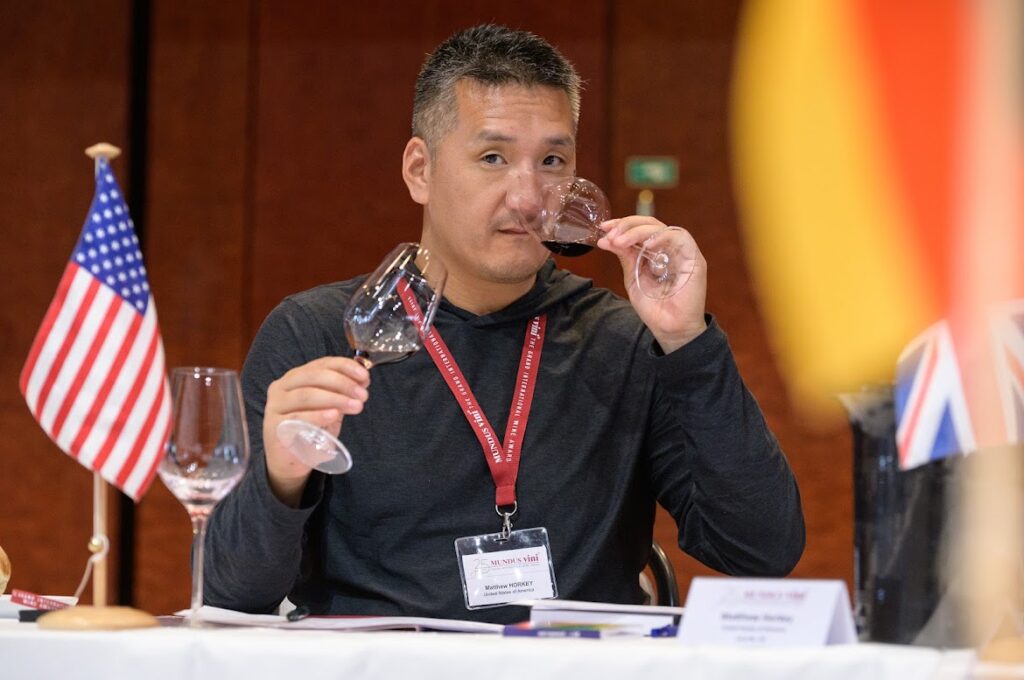
マシュー・ホーキー博士インスタグラム
https://www.instagram.com/drmattyh
From Chiropractor to Wine Influencer: How Matthew Horkey Turned His Passion into a Global Adventure
Kevin’s Wine Code Beyond the label Vol.04
text by John Kevin Whelehan
He left a successful chiropractic career to explore the world of wine. Ten years later, Dr. Matthew Horkey has built an international following by making wine more accessible, entertaining and fun. His journey offers some surprising lessons for anyone looking to turn a passion into a career or make social media work for them.
What does it take to turn a passion into a career? A smartphone, a few interesting bottles of wine and an Instagram account? Perhaps. But if you ask Dr. Matthew Horkey, the reality is rather more complicated.
A former chiropractor who traded private practice for a life exploring vineyards and sharing wine discoveries, Horkey has spent the past decade building an international audience through his YouTube channel and other wine-related content.
His journey has taken him from the historic wine regions of Georgia, Turkey and Armenia to some of the world’s most celebrated vineyards. But behind the beautiful locations and memorable bottles lies a story of persistence, creativity and an understanding of what makes people connect with content online.
His philosophy is refreshingly straightforward: wine should be fun, accessible and entertaining not an intimidating subject reserved for experts.
An Unexpected Journey
Horkey’s interest in wine began during graduate school while he was training as a chiropractor. After establishing a successful private practice, he decided to take a sabbatical and travel the world.
The plan was to be away for seven months. It became something rather more permanent.
He found himself spending much of his time exploring wine regions, meeting producers and discovering the relationship between wine, food and local culture.
While travelling through Georgia, Turkey and Armenia, he noticed a lack of accessible English language information about these fascinating wine destinations. Rather than keeping his discoveries to himself, he began sharing them online.
That decision eventually developed into a decade-long career as a wine content creator.
However, Horkey is quick to dispel the illusion that becoming a wine influencer is an easy ride.
“Maybe just keep wine as a hobby,” he jokes when asked what advice he would give aspiring creators.
It took him almost ten years to reach the point where he felt he could genuinely make a sustainable living from wine media.
His experience offers an important lesson: turning a passion into a profession takes considerably more than enthusiasm.
Making Wine Irresistible: Why Personality Matters More Than Expertise
In an increasingly crowded online world of experts, critics and influencers, how does anyone stand out?
For Horkey, the answer lies in personality and entertainment.
He recalls a comment by wine writer Robert Joseph that has become central to his philosophy:
“The wine world doesn’t need more educators. It needs more seducers.”
It is an idea Horkey wholeheartedly embraces.
The wine industry has no shortage of people explaining appellations, grape varieties, soil composition and winemaking techniques. What it needs are more people who can make wine look exciting, attractive and enjoyable.
Horkey’s preferred medium is video, particularly blind tastings, where viewers can see his genuine reactions. He is even happy to get things wrong.
In fact, he has discovered that audiences often enjoy these moments because they make him more relatable. People want to see enthusiasm, surprise and personality rather than another perfectly rehearsed tasting note.
It is a valuable lesson for anyone creating online content: knowledge may attract attention, but personality builds connections.
Five Lessons for Making Social Media Work
Horkey believes successful content creation requires a different mindset from simply posting photographs or sharing information. On YouTube, in particular, you are effectively running a media company.
Here are five lessons from his experience.
1. Start with subjects people already recognise
Getting noticed in a crowded online environment is difficult. Horkey suggests using familiar subjects as a starting point.
In wine, Bordeaux, Burgundy, Napa Cabernet and Champagne already attract attention because audiences recognise the names. From there, creators can introduce lesser-known producers, regions and wines.
The same principle applies to other industries: connect something new to something your audience already understands.
2. Think about the title and thumbnail before filming
One of Horkey’s most practical observations concerns the importance of video titles and thumbnails.
He points out that successful YouTubers often develop these before they even shoot the video. Why? Because the title and thumbnail are what encourage people to click.
Compare “An Introduction to Rioja Wines” with “Is Rioja Spain’s Most Underrated Wine Region?”
The second creates curiosity and gives viewers a reason to watch.
Even the best video has little value if nobody is interested enough to open it.
3. Keep people watching
Attracting viewers is only half the challenge. Keeping them engaged is equally important.
Horkey emphasises watch time, particularly on YouTube. The opening needs to capture attention quickly, while the rest of the video must continue to deliver something interesting.
Interestingly, he has noticed a significant shift in what works on the platform. Longer videos are increasingly popular, with YouTube evolving into one of the world’s biggest platforms for video podcasts. Audiences are becoming more comfortable watching extended conversations, often on their televisions rather than just on their phones or computers.
Horkey has adapted accordingly. Whereas he once tried to keep his videos to around 10–15 minutes, many now run for 25–30 minutes. But he stresses that longer content only works if there is enough substance to justify it.
His guiding principle remains simple: make a video as long as it needs to be, but as short as possible.
In other words, don’t add unnecessary material simply to extend its length. The objective is to keep viewers interested, not just to keep them watching.
4. Combine education with entertainment
This is perhaps the most important lesson.
A technically accurate presentation doesn’t automatically make compelling content. Horkey believes audiences respond to storytelling, humour, genuine enthusiasm and unexpected moments.
His blind-tasting videos work because viewers can experience his reactions alongside him. They are not simply being told what a wine tastes like; they are sharing the discovery.
For businesses and professionals, the lesson is to avoid simply presenting information. Give people a reason to enjoy the experience.
5. Don’t wait until everything is perfect
Horkey is remarkably candid about the quality of his early videos. They weren’t particularly good, but he kept producing them.
Over time, he learned about filming, lighting, editing and cinematography. He now handles virtually every aspect of his own production.
His advice is to start with whatever equipment you have, learn as you go and accept that improvement takes practice.
You don’t need to be an expert filmmaker to begin. You need the willingness to get better.
Authenticity Is More Valuable Than Followers
With so many influencers competing for attention, credibility has become increasingly important.
Horkey is particularly conscious of the commercial pressures surrounding wine reviews and recommendations.
He does not accept money from producers in exchange for reviewing their wines because he wants to retain the freedom to express an honest opinion.
Instead, he looks for partnerships with complementary businesses, including glassware and wine-preservation companies. He has also worked with Rioja’s wine education programme.
His approach reflects an important distinction between commercial collaboration and compromising editorial independence.
He believes audiences are becoming increasingly aware of paid promotion and want transparency about who is recommending a product—and why.
His blind-tasting format reinforces that independence. Although he may know which wines have been supplied, someone else mixes them up before he tastes them.
For Horkey, trust is everything. Once audiences begin questioning whether recommendations are genuine, credibility can quickly disappear.
His advice is to build a distinctive identity around your real interests and personality rather than trying to impress people with expensive bottles or technical knowledge.
Japan: A Unique Opportunity for Wine Content Creators
When discussing opportunities for Japanese wine creators, Horkey sees enormous potential in the country’s rich food culture and its ability to offer something distinctive to international audiences.
Rather than concentrating on obvious pairings such as sushi and yakitori, he believes there is an opportunity to explore more unexpected combinations between Japanese cuisine and wines from around the world. Regional specialities, different cooking techniques and the subtle flavours of Japanese ingredients offer endless possibilities for creative content.
These discoveries could appeal not only to Japanese consumers but also to international wine enthusiasts curious about Japan’s culinary culture.
Horkey also sees an advantage in the cultural perspective that Japanese and other Asian creators can bring to the global wine conversation. With wine enthusiasts and collectors across Asia and around the world, there is an opportunity to connect with audiences who may identify with their experiences and viewpoints in ways they might not with a European or American presenter.
Interestingly, he believes the wine industry could learn something from food influencers. They are often comfortable asking questions, admitting what they don’t know and exploring unfamiliar subjects with genuine curiosity. Wine professionals, by contrast, can sometimes feel under pressure to demonstrate their expertise rather than simply enjoy the process of discovery.
For Horkey, that willingness to experiment, ask questions and share discoveries is precisely what makes engaging content. By combining Japan’s culinary heritage, international wines and an authentic sense of curiosity, Japanese creators have an opportunity to develop a distinctive voice and bring a fresh perspective to the global wine community.
Can You Make a Living From Being a Wine Influencer?
The short answer, according to Horkey, is that it is extremely difficult.
The glamorous side of wine media includes vineyard visits, memorable meals and extraordinary bottles. The less glamorous side involves finding an audience, developing industry relationships, securing samples and generating a reliable income.
He is candid about the financial realities: he earns considerably less than he did as a chiropractor.
Relatively few people make a full-time living from wine media alone, and a large social media following doesn’t necessarily translate into a profitable business.
His experience suggests that creators should look beyond sponsored posts and platform advertising. Partnerships with complementary businesses, educational collaborations, wine accessories and related services can provide alternative opportunities.
For established wine professionals, social media can also strengthen an existing business by building relationships, raising visibility and attracting new customers.
The key is to develop a sustainable business model without compromising credibility.
His Advice? Just Start!
After a decade of creating content, Horkey’s advice to aspiring influencers comes down to three things.
Don’t be afraid to look stupid. Your first videos won’t be perfect, and you will make mistakes. That’s part of learning. Audiences may even find those moments more interesting because they make you relatable.
Stay humble. Having recently embarked on the Master of Wine programme, Horkey has become increasingly aware of just how much there is to understand about wine. Nobody knows everything, and pretending otherwise is a mistake.
Be completely yourself. Authenticity is difficult to manufacture. People connect with genuine enthusiasm, humour and personality, not simply a collection of impressive bottles or professional credentials.
And what should someone do tomorrow if they want to start?
“Just start creating, start posting.”
You never know which photograph, video or story might resonate with someone.
Horkey also believes that starting a YouTube channel is valuable even if it never becomes a full-time career. It teaches communication, storytelling, filmmaking, project management and an understanding of human psychology. Most importantly, it helps you overcome the fear of putting yourself out there.
Looking back, he admits that he initially became too focused on becoming somebody in the wine world. Today, he is more interested in improving his content, developing his knowledge and enjoying the process.
Perhaps that is the biggest lesson of all.
In a world increasingly crowded with carefully curated images and polished online personalities, being curious, entertaining and genuine can be a powerful point of difference.
Wine isn’t about knowing all the answers. It’s about discovering something new, sharing the experience and enjoying every sip along the way.
And if Dr. Matthew Horkey has one mission, it is to make sure we never forget that.
Dr. Matthew Horkey’s Instagram
https://www.instagram.com/drmattyh/